
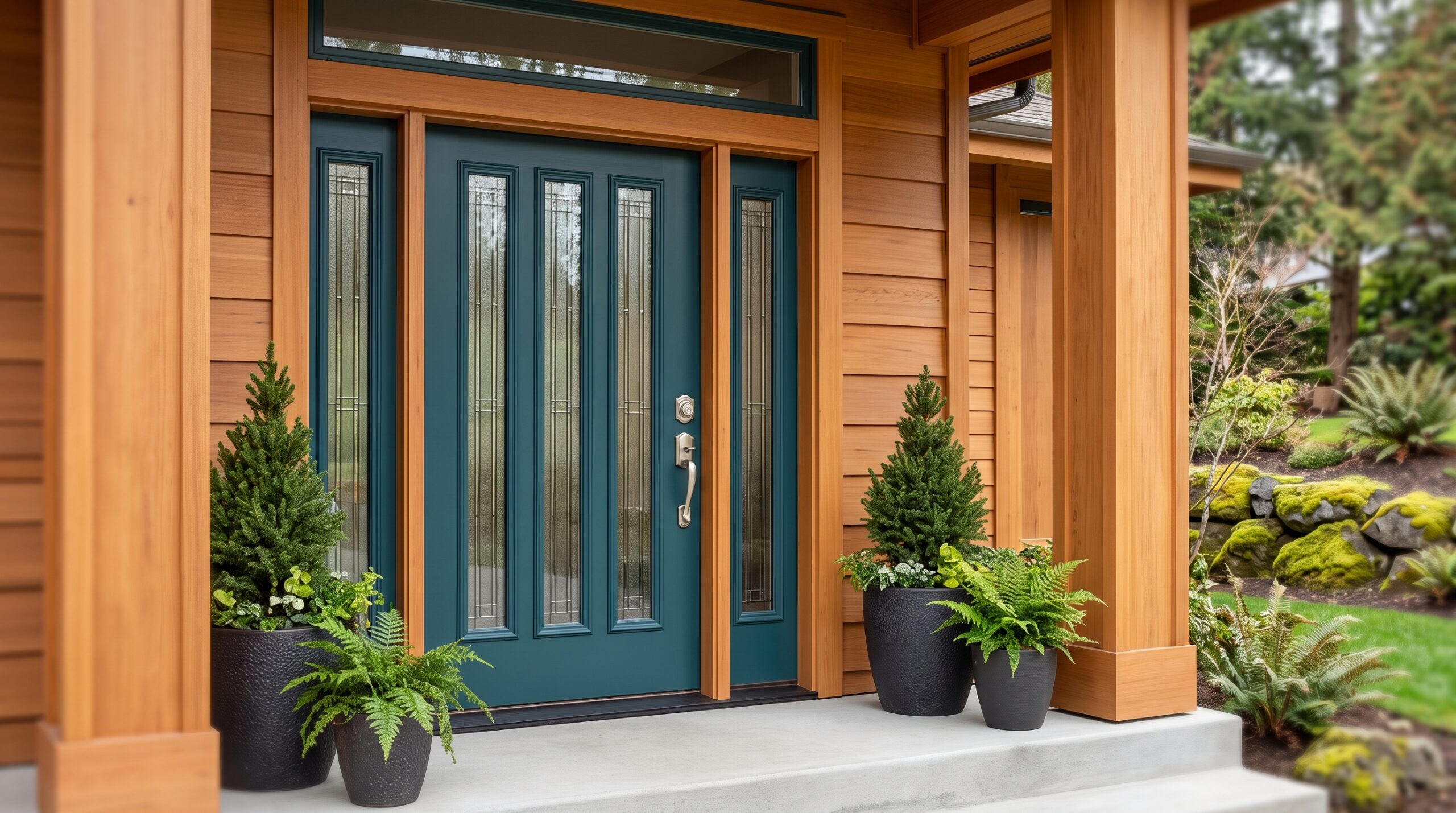
Major renovations are not the only way to make a noticeable difference in your home. Replacing an aging front door is a relatively focused project that can improve the appearance, security, energy efficiency, and overall impression of your property.
A home’s front door plays a major role in curb appeal and first impressions, so its condition and design matter more than many homeowners expect. A faded, damaged, or outdated door can detract from an otherwise well-maintained exterior, while a thoughtfully chosen replacement creates a more polished and welcoming entrance.
A new front door can also offer a strong return compared to many larger remodeling projects. This guide explains how front door replacement affects curb appeal and resale value, which materials perform best in the Pacific Northwest, and what to expect from a professional installation.
Why Your Front Door Has Such a Strong Visual Impact
People begin forming an impression of a home before they ever step inside. Because the front door serves as a natural focal point, its condition and design can influence how the entire exterior is perceived.
A door with peeling paint, dents, moisture damage, or an outdated style may make the home appear less maintained. Replacing it creates a cleaner focal point and can help surrounding features, including siding, trim, lighting, and landscaping, feel more cohesive.
This is particularly important in the Pacific Northwest, where exterior doors are regularly exposed to rain, moisture, seasonal sunlight, and changing temperatures. Older wood doors may swell, warp, or develop rot, while scratched steel doors may become vulnerable to rust. A new door made for exterior exposure improves curb appeal while providing better protection from the region’s weather.
How Much Value Can a New Entry Door Add?
Entry door replacement consistently ranks among the home improvements with the strongest potential returns at resale. However, the expected return depends heavily on the type and scope of the project.
According to the 2025 Cost vs. Value Report, replacing an existing entry door with a midrange steel door produced an estimated national cost recovery of approximately 216%. A more extensive fiberglass grand entrance project, which includes a wider entry system and sidelights, recouped approximately 85% of its cost nationally.
These figures do not mean every door replacement will increase a home’s sale price by the same amount. Local market conditions, the quality of the door, the condition of the existing entryway, and the overall appearance of the home all influence the result. The report does show, however, that a well-chosen entry door can offer a strong return compared with many more expensive interior renovations.
For homeowners in Kirkland, Bellevue, and other competitive Eastside markets, a clean and updated entrance may also help create a stronger first impression in listing photographs and during showings. Even when a sale is not planned, homeowners benefit from improved appearance, security, comfort, and everyday functionality.
Choosing the Right Entry Door Material
The material you choose affects the appearance, durability, maintenance requirements, and long-term performance of your new front door. In the Pacific Northwest, moisture resistance and weather exposure should be important parts of the decision.
Fiberglass Entry Doors
Fiberglass is a practical choice for many Pacific Northwest homes. It resists moisture, warping, rotting, and cracking, making it well suited to damp conditions. Fiberglass doors are also available in a wide range of styles, including smooth painted finishes and textured surfaces designed to resemble natural wood.
Most fiberglass entry doors contain an insulated core that can help reduce heat transfer and drafts. They require relatively little maintenance and offer a good balance of appearance, performance, and durability.
Steel Entry Doors
Steel doors are known for their strength, security, and comparatively accessible price point. Like fiberglass doors, many contain an insulated foam core that improves thermal performance.
The surface can dent under a strong impact, and scratches should be repaired before moisture reaches the exposed metal. With proper finishing and maintenance, however, steel remains a durable and cost-effective option for many entryways.
Wood Entry Doors
Wood offers a warm, traditional appearance that other materials attempt to replicate. It can be an excellent fit for Craftsman, historic, and custom homes, particularly when the design of the entryway is a major architectural feature.
The tradeoff is maintenance. Wood doors require regular painting or sealing to protect them from moisture, swelling, warping, and decay. They generally perform best beneath a covered porch or another structure that limits direct exposure to rain and sunlight.
Which Material Is Best for the PNW?
For many Pacific Northwest homes, fiberglass provides the strongest combination of durability, weather resistance, design flexibility, and low maintenance. Steel may be the better fit when security or budget is the primary concern, while wood works best for homeowners who prioritize natural character and are prepared for regular upkeep.
Design Features That Shape the Finished Look
Once you have selected a material, the door’s color, glass, configuration, and hardware determine how well it complements the rest of the home.
Glass Inserts, Sidelights, and Transoms
Glass can bring more natural light into an entryway and make the front of the home feel more open. Options range from a small decorative insert to a nearly full-height glass panel. Sidelights are narrow windows installed beside the door, while a transom is positioned above it. These features can make an entrance feel wider and more prominent, but they should be chosen with privacy, security, and sun exposure in mind.
Door Color
A new front door provides an opportunity to introduce contrast or reinforce the home's existing color palette. Deep red, blue, green, and other saturated colors can create a distinct focal point. Black, charcoal, stained wood tones, and other neutrals tend to provide a more understated appearance. The best color should complement the siding, trim, roofing, and architectural style rather than being selected in isolation.
Hardware
The handleset, lock, hinges, and other hardware provide the finishing details. Matte black often complements modern and transitional homes, while brushed nickel creates a clean, understated look. Bronze and warmer metal finishes can work particularly well with Craftsman, traditional, and rustic architecture. Consistency matters more than following a specific trend. The door hardware should coordinate with nearby lighting fixtures, house numbers, and other visible exterior finishes.
What Professional Entry Door Installation Should Include
Even a high-quality door may develop problems if it is not installed correctly. Improper installation can lead to drafts, water intrusion, sticking, uneven gaps, and problems with the lock or latch. A professional front door replacement should address the entire opening rather than simply fitting a new slab into an aging frame.
Removal of the Existing Door
The installer removes the existing door, frame, threshold, and necessary trim without causing unnecessary damage to the surrounding siding or interior finishes.
Inspection of the Opening
Once the old system is removed, the rough opening should be inspected for moisture damage, rot, and structural problems. Any deterioration should be addressed before the new door is installed.
Flashing and Weather Protection
The opening should be prepared with appropriate flashing and weather-resistant materials to direct moisture away from the structure. This step is especially important in the Pacific Northwest, where repeated exposure to wind-driven rain can reveal even small installation gaps.
Positioning and Adjustment
The new door system must be installed square, level, and plumb. Careful shimming and adjustment allow the door to open smoothly, close evenly, and align correctly with the lock and weatherstripping.
Insulation and Sealing
Gaps between the frame and rough opening should be insulated and sealed to reduce air leakage and help prevent water intrusion. Exterior and interior joints should also be finished with materials appropriate for their location.
Trim and Final Testing
After the door is secured, the installer replaces or adds the necessary trim and tests the door, threshold, weatherstripping, latch, and lock. The finished door should operate smoothly and create consistent contact with the seals around the opening.
Frequently Asked Questions About Entry Door Replacement
How long does entry door installation take?
Many standard front door replacements can be completed in one day. The project may take longer if the opening contains moisture damage, requires structural adjustments, or includes sidelights, a transom, or extensive trim work.
A professional installer should explain the expected schedule after evaluating the existing door and opening.
Can I replace only the door slab?
Replacing only the slab may be possible when the existing frame is square, structurally sound, and compatible with the new door. However, older frames may have shifted, warped, or developed worn weatherstripping and thresholds. Installing a complete prehung door system allows the door, frame, hinges, threshold, and weather seals to work together. This is often the more reliable option when the existing system is damaged, drafty, or no longer operates correctly.
What entry door styles are popular in the Pacific Northwest?
Craftsman-style doors are a natural fit for many bungalows, Craftsman homes, and transitional properties found throughout the Seattle area. These doors often feature clean lines, divided glass near the top, and simple panel details. Modern entry doors with streamlined hardware, narrow glass panels, and minimal ornamentation are also common. The right choice ultimately depends on the architecture of the home rather than regional popularity alone.
Is fiberglass or steel better for a front door?
Both materials can perform well. Fiberglass offers greater design flexibility and is highly resistant to moisture, dents, and surface damage. Steel is often more affordable and provides excellent strength, but scratches may require prompt attention to prevent rust. For a door with substantial exposure to Pacific Northwest weather, fiberglass is often the lower-maintenance option. For a protected entryway or a project where cost and security are the priorities, steel may be the better fit.
Find the Right Entry Door for Your Home
A new entry door can improve far more than the appearance of your home. The right replacement can reduce drafts, strengthen security, withstand the Pacific Northwest climate, and create a more polished entrance.
Breeze Free installs entry doors throughout Kirkland, Bellevue, and the greater Seattle area. We can assess your existing opening, explain the differences between available materials and styles, and help you select a door that fits your home, priorities, and budget.