
5 Signs Your Windows Are Costing You Money
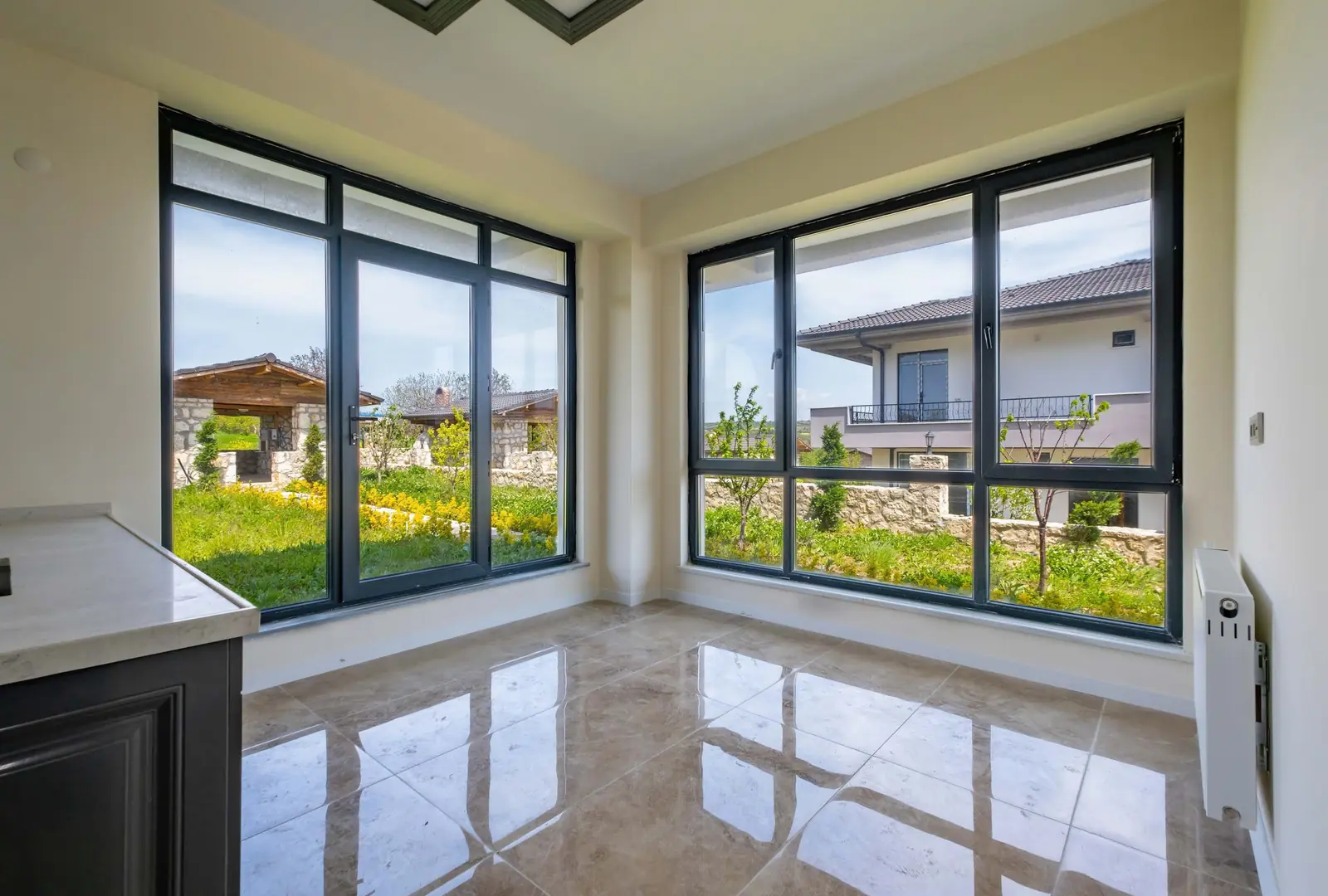
Windows often fail quietly. Unlike a leaky roof or a broken appliance, the cost of an underperforming window isn’t a sudden expense; it’s a slow, steady drain on your bank account through higher energy bills and gradual damage. You might already be seeing the warning signs without realizing they point directly to your windows. That chilly spot in the living room, the ever-increasing heating bill, or the frustrating haze that blocks your view are all clues. Here are the five most common signs that your windows are secretly costing you money.
Sign 1: Your Energy Bills Keep Climbing
Have you noticed your heating costs creeping up each year, even when your habits haven’t changed? Your windows are one of the biggest sources of heat loss in your home. Old single-pane glass or failed double-pane units offer very little insulation, effectively bleeding the warm air your furnace works so hard to produce. During the long Pacific Northwest heating season, which can run from October through April, this adds up fast. A window that is constantly working against your furnace is a significant financial drain.
Here’s a practical test for a cold day: stand in the middle of a room and feel the air temperature. Now, move close to one of your windows and hold your hand near the glass (without touching it). Do you feel a noticeable drop in temperature? Can you feel cold radiating from the surface? If so, that window is a thermal weak point, and you are paying to heat the great outdoors.
Sign 2: You Can Feel Drafts Near Your Windows
A faint, cool breeze near your window is easy to dismiss, especially on a warm day. But over the course of a PNW winter, a draft is a constant flow of cold air infiltrating your home and forcing your heating system to work overtime. It is a slow, steady leak in your heating budget. You can easily check for this yourself. On a windy day, close your window and slowly move your hand along the entire perimeter of the frame where it meets the sash. Can you feel air moving?
A draft coming from the edges of the frame often indicates worn-out weatherstripping or a problem with the original installation. If you feel the cold coming directly from the glass surface itself, it’s likely a sign of a failed insulated glass unit or an old single-pane window. Either way, the window has stopped doing its most important job: creating a tight seal against the elements.
Sign 3: There’s Fog or Condensation Between the Panes
You see it every morning, a frustrating patch of fog trapped between the panes of glass that you can’t wipe away from the inside or the outside. This is one of the most undeniable signs of window failure. It means the airtight seal on your insulated glass unit (IGU) has broken, allowing air and moisture to get inside. Once that happens, the insulating argon or krypton gas that was once trapped between the panes has escaped, and the window’s insulating value is gone.
Not all condensation means the same thing, though. A little fog on the exterior of your windows on a cool, humid morning is normal and actually shows the window is insulating well. Condensation on the interior surface can be a sign of high humidity inside your home. But moisture trapped between the panes is the problem. Don’t wait, hoping it will clear up on its own; it won’t. This issue is often fixable with a glass-only replacement, which can restore your view and efficiency without replacing the entire window.
Sign 4: You Can Hear Outside Clearly Through Your Windows
Think about the sound of rain. On a properly insulated window, it’s a gentle, muted background noise. On a failed window, it can be a loud, distracting clatter. Modern double-pane windows are designed to do more than just insulate against temperature; they also provide a significant barrier to outside noise. If you can clearly hear traffic, passing conversations, or your neighbor’s lawnmower as if the window were open, it’s a strong indicator that its insulating properties have been compromised.
Thermal and sound insulation are linked. The same features that block heat transfer, like the sealed air gap and double panes of glass, also dampen sound waves. When a seal fails and the insulating gas escapes, the window loses its ability to do both jobs effectively. So if the outside world is sounding a little too close for comfort, your windows are likely letting out heat just as easily as they are letting in sound.
Sign 5: Your Windows Are Hard to Open, Close, or Lock
A window that sticks, binds, or won’t lock securely is far more than a simple nuisance. It’s a critical warning sign of a structural problem and a major security vulnerability. Frames, especially older wood or low-quality vinyl, can warp, swell, or bow over time due to moisture infiltration and years of seasonal temperature swings. This prevents the window from operating smoothly and, more importantly, from closing completely.
A window that doesn’t shut and lock properly cannot create an airtight seal. This guarantees energy loss and creates a potential pathway for water to leak into your wall structure, leading to much bigger problems like rot and mold. Furthermore, a worn or misaligned locking mechanism is a serious security risk. Unlike other issues that might have multiple solutions, a window with operational failure almost always requires a full replacement to restore its safety and efficiency.
What to Do If You Spot Any of These Signs
Seeing one or more of these signs doesn’t automatically mean you need to replace every window in your house. The right solution depends on the specific problem.JTNDZGl2JTIwc3R5bGUlM0QlMjJ3aWR0aCUzQTEwMCUyNSUzQmJhY2tncm91bmQlM0ElMjNmNGY2ZjklM0Jib3JkZXIlM0ExcHglMjBzb2xpZCUyMCUyM2UxZWNmMCUzQmJvcmRlci1yYWRpdXMlM0E4cHglM0IlMjIlM0UlMEElMjAlMjAlM0N1bCUyMHN0eWxlJTNEJTIybWFyZ2luJTNBMCUzQnBhZGRpbmclM0EwJTNCbGlzdC1zdHlsZSUzQW5vbmUlM0IlMjIlM0UlMEElMjAlMjAlMjAlMjAlM0NsaSUyMHN0eWxlJTNEJTIyZGlzcGxheSUzQWZsZXglM0JnYXAlM0ExNHB4JTNCcGFkZGluZyUzQTE2cHglMjAyMHB4JTNCYm9yZGVyLXRvcCUzQW5vbmUlM0IlMjIlM0UlMEElMjAlMjAlMjAlMjAlMjAlMjAlM0NzcGFuJTIwc3R5bGUlM0QlMjJmbGV4JTNBbm9uZSUzQndpZHRoJTNBOHB4JTNCaGVpZ2h0JTNBOHB4JTNCYm9yZGVyLXJhZGl1cyUzQTUwJTI1JTNCYmFja2dyb3VuZCUzQSUyMzBlMjY0YyUzQm1hcmdpbi10b3AlM0E5cHglM0IlMjIlM0UlM0MlMkZzcGFuJTNFJTBBJTIwJTIwJTIwJTIwJTIwJTIwJTNDc3BhbiUzRSUzQ3N0cm9uZyUyMHN0eWxlJTNEJTIyY29sb3IlM0ElMjMwZTI2NGMlM0IlMjIlM0VTaWduJTIwMyUyMCUyOGZvZ2d5JTIwZ2xhc3MlMjklM0MlMkZzdHJvbmclM0UlMjBjYW4lMjBvZnRlbiUyMGJlJTIwZml4ZWQlMjB3aXRoJTIwYSUyMG1vcmUlMjBhZmZvcmRhYmxlJTIwZ2xhc3Mtb25seSUyMHJlcGxhY2VtZW50LiUzQyUyRnNwYW4lM0UlMEElMjAlMjAlMjAlMjAlM0MlMkZsaSUzRSUwQSUyMCUyMCUyMCUyMCUzQ2xpJTIwc3R5bGUlM0QlMjJkaXNwbGF5JTNBZmxleCUzQmdhcCUzQTE0cHglM0JwYWRkaW5nJTNBMTZweCUyMDIwcHglM0Jib3JkZXItdG9wJTNBMXB4JTIwc29saWQlMjAlMjNlMWVjZjAlM0IlMjIlM0UlMEElMjAlMjAlMjAlMjAlMjAlMjAlM0NzcGFuJTIwc3R5bGUlM0QlMjJmbGV4JTNBbm9uZSUzQndpZHRoJTNBOHB4JTNCaGVpZ2h0JTNBOHB4JTNCYm9yZGVyLXJhZGl1cyUzQTUwJTI1JTNCYmFja2dyb3VuZCUzQSUyMzBlMjY0YyUzQm1hcmdpbi10b3AlM0E5cHglM0IlMjIlM0UlM0MlMkZzcGFuJTNFJTBBJTIwJTIwJTIwJTIwJTIwJTIwJTNDc3BhbiUzRSUzQ3N0cm9uZyUyMHN0eWxlJTNEJTIyY29sb3IlM0ElMjMwZTI2NGMlM0IlMjIlM0VTaWduJTIwMiUyMCUyOGRyYWZ0cyUyMGZyb20lMjB0aGUlMjBmcmFtZSUyOSUzQyUyRnN0cm9uZyUzRSUyMG1pZ2h0JTIwc29tZXRpbWVzJTIwYmUlMjBpbXByb3ZlZCUyMHdpdGglMjBuZXclMjB3ZWF0aGVyc3RyaXBwaW5nJTIwaWYlMjB0aGUlMjB3aW5kb3clMjBpcyUyMG90aGVyd2lzZSUyMGluJTIwZ29vZCUyMHNoYXBlLiUzQyUyRnNwYW4lM0UlMEElMjAlMjAlMjAlMjAlM0MlMkZsaSUzRSUwQSUyMCUyMCUyMCUyMCUzQ2xpJTIwc3R5bGUlM0QlMjJkaXNwbGF5JTNBZmxleCUzQmdhcCUzQTE0cHglM0JwYWRkaW5nJTNBMTZweCUyMDIwcHglM0Jib3JkZXItdG9wJTNBMXB4JTIwc29saWQlMjAlMjNlMWVjZjAlM0IlMjIlM0UlMEElMjAlMjAlMjAlMjAlMjAlMjAlM0NzcGFuJTIwc3R5bGUlM0QlMjJmbGV4JTNBbm9uZSUzQndpZHRoJTNBOHB4JTNCaGVpZ2h0JTNBOHB4JTNCYm9yZGVyLXJhZGl1cyUzQTUwJTI1JTNCYmFja2dyb3VuZCUzQSUyMzBlMjY0YyUzQm1hcmdpbi10b3AlM0E5cHglM0IlMjIlM0UlM0MlMkZzcGFuJTNFJTBBJTIwJTIwJTIwJTIwJTIwJTIwJTNDc3BhbiUzRSUzQ3N0cm9uZyUyMHN0eWxlJTNEJTIyY29sb3IlM0ElMjMwZTI2NGMlM0IlMjIlM0VTaWducyUyMDElMkMlMjA0JTJDJTIwYW5kJTIwNSUyMCUyOGhpZ2glMjBiaWxscyUyQyUyMG5vaXNlJTJDJTIwYW5kJTIwb3BlcmF0aW9uYWwlMjBpc3N1ZXMlMjklM0MlMkZzdHJvbmclM0UlMjB1c3VhbGx5JTIwaW5kaWNhdGUlMjB0aGF0JTIwdGhlJTIwd2luZG93JTIwdW5pdCUyMGl0c2VsZiUyMGhhcyUyMHJlYWNoZWQlMjB0aGUlMjBlbmQlMjBvZiUyMGl0cyUyMGxpZmUlMjBhbmQlMjAlM0NhJTIwaHJlZiUzRCUyMmh0dHBzJTNBJTJGJTJGYnJlZXplZnJlZXdpbmRvdy5jb20lMkZndWlkZXMlMkZ3aW5kb3ctcmVwbGFjZW1lbnQtZ3VpZGUlMkYlMjIlMjBzdHlsZSUzRCUyMmNvbG9yJTNBJTIzMGUyNjRjJTNCJTIyJTNFbmVlZHMlMjB0byUyMGJlJTIwcmVwbGFjZWQlM0MlMkZhJTNFJTIwdG8lMjByZXN0b3JlJTIwY29tZm9ydCUyQyUyMHNlY3VyaXR5JTJDJTIwYW5kJTIwZWZmaWNpZW5jeS4lM0MlMkZzcGFuJTNFJTBBJTIwJTIwJTIwJTIwJTNDJTJGbGklM0UlMEElMjAlMjAlM0MlMkZ1bCUzRSUwQSUzQyUyRmRpdiUzRSUwQQ==The best first step is a professional assessment to know exactly where you stand. Guessing can lead to costly mistakes, while an expert evaluation can pinpoint the problem and identify the most effective solution.
Frequently Asked Questions About Failing Windows
How do I tell if the draft is coming from the glass or the frame?
On a cold, windy day, move your hand slowly around the window. If you feel the draft strongest at the edges where the moving part of the window (the sash) meets the fixed frame, the issue is likely worn-out weatherstripping. If the entire surface of the glass feels significantly colder than the rest of your room, the insulated glass unit has likely failed.
Are window problems covered by homeowner’s insurance?
Typically, homeowner’s insurance does not cover issues that arise from normal wear and tear, age, or lack of maintenance. However, if your window is damaged by a sudden event like a storm, a falling tree, or a break-in, it may be covered. Always check your specific policy or speak with your insurance agent.
Is it better to replace windows one at a time or all at once?
Replacing windows one at a time can be easier on the budget. However, replacing all of them at once ensures a consistent look and performance across your home. It can also be more cost-effective in the long run, as it often reduces total labor costs compared to multiple smaller projects and provides immediate, whole-home improvements in energy efficiency.
If you’ve recognized any of these signs in your home, don’t keep paying for underperforming windows. For over 25 years, the family at Breeze Free Window & Door has provided homeowners in King and Snohomish County with honest advice and expert craftsmanship. We can assess the condition of your windows and give you a straightforward recommendation on what needs replacing and what doesn’t. Contact us today for a free, no-pressure estimate.
JTNDc3R5bGUlM0UlMEElMjAlMjAuYmZ3LXdyYXAlMjAlN0IlMjB3aWR0aCUzQSUyMDEwMCUyNSUzQiUyMG1heC13aWR0aCUzQSUyMDQyMHB4JTNCJTIwYm9yZGVyLXJhZGl1cyUzQSUyMDEycHglM0IlMjBvdmVyZmxvdyUzQSUyMGhpZGRlbiUzQiUyMGJvcmRlciUzQSUyMDAuNXB4JTIwc29saWQlMjByZ2JhJTI4MCUyQzAlMkMwJTJDMC4xMiUyOSUzQiUyMGZvbnQtZmFtaWx5JTNBJTIwc2Fucy1zZXJpZiUzQiUyMCU3RCUwQSUyMCUyMC5iZnctbWFwJTIwJTdCJTIwd2lkdGglM0ElMjAxMDAlMjUlM0IlMjBoZWlnaHQlM0ElMjAyMDBweCUzQiUyMGRpc3BsYXklM0ElMjBibG9jayUzQiUyMGJvcmRlciUzQSUyMDAlM0IlMjAlN0QlMEElMjAlMjAuYmZ3LWNvbnRhY3QlMjAlN0IlMjBiYWNrZ3JvdW5kJTNBJTIwJTIzMGUyNjRjJTNCJTIwcGFkZGluZyUzQSUyMDFyZW0lMjAxLjI1cmVtJTNCJTIwJTdEJTBBJTIwJTIwLmJmdy1yb3clMjAlN0IlMjBkaXNwbGF5JTNBJTIwZmxleCUzQiUyMGFsaWduLWl0ZW1zJTNBJTIwY2VudGVyJTNCJTIwZ2FwJTNBJTIwMC42cmVtJTNCJTIwbWluLXdpZHRoJTNBJTIwMCUzQiUyMCU3RCUwQSUyMCUyMC5iZnctcm93JTIwJTJCJTIwLmJmdy1yb3clMjAlN0IlMjBtYXJnaW4tdG9wJTNBJTIwMC41cmVtJTNCJTIwJTdEJTBBJTIwJTIwLmJmdy1idG4lMjAlN0IlMjB3aWR0aCUzQSUyMDMwcHglM0IlMjBoZWlnaHQlM0ElMjAzMHB4JTNCJTIwYm9yZGVyLXJhZGl1cyUzQSUyMDUwJTI1JTNCJTIwYmFja2dyb3VuZCUzQSUyMHJnYmElMjgyNTUlMkMyNTUlMkMyNTUlMkMwLjEyJTI5JTNCJTIwZGlzcGxheSUzQSUyMGZsZXglM0IlMjBhbGlnbi1pdGVtcyUzQSUyMGNlbnRlciUzQiUyMGp1c3RpZnktY29udGVudCUzQSUyMGNlbnRlciUzQiUyMHRleHQtZGVjb3JhdGlvbiUzQSUyMG5vbmUlM0IlMjBmbGV4LXNocmluayUzQSUyMDAlM0IlMjB0cmFuc2l0aW9uJTNBJTIwYmFja2dyb3VuZCUyMDAuMTVzJTNCJTIwJTdEJTBBJTIwJTIwLmJmdy1idG4lM0Fob3ZlciUyMCU3QiUyMGJhY2tncm91bmQlM0ElMjByZ2JhJTI4MjU1JTJDMjU1JTJDMjU1JTJDMC4yMiUyOSUzQiUyMCU3RCUwQSUyMCUyMC5iZnctYnRuJTIwc3ZnJTIwJTdCJTIwd2lkdGglM0ElMjAxNHB4JTNCJTIwaGVpZ2h0JTNBJTIwMTRweCUzQiUyMCU3RCUwQSUyMCUyMC5iZnctdGV4dCUyQyUyMC5iZnctdGV4dCUzQWxpbmslMkMlMjAuYmZ3LXRleHQlM0F2aXNpdGVkJTJDJTIwLmJmdy10ZXh0JTNBaG92ZXIlMkMlMjAuYmZ3LXRleHQlM0FhY3RpdmUlMjAlN0IlMjBjb2xvciUzQSUyMCUyM2ZmZiUyMCUyMWltcG9ydGFudCUzQiUyMCU3RCUwQSUyMCUyMC5iZnctdGV4dCUyMCU3QiUyMGZvbnQtc2l6ZSUzQSUyMDEzcHglM0IlMjBmb250LXdlaWdodCUzQSUyMDUwMCUzQiUyMHRleHQtZGVjb3JhdGlvbiUzQSUyMG5vbmUlM0IlMjBtaW4td2lkdGglM0ElMjAwJTNCJTIwZmxleCUzQSUyMDElMjAxJTIwYXV0byUzQiUyMG92ZXJmbG93LXdyYXAlM0ElMjBhbnl3aGVyZSUzQiUyMHdvcmQtYnJlYWslM0ElMjBicmVhay13b3JkJTNCJTIwbGluZS1oZWlnaHQlM0ElMjAxLjMlM0IlMjAlN0QlMEElMjAlMjAuYmZ3LXRleHQlM0Fob3ZlciUyMCU3QiUyMHRleHQtZGVjb3JhdGlvbiUzQSUyMHVuZGVybGluZSUzQiUyMCU3RCUwQSUzQyUyRnN0eWxlJTNFJTBBJTBBJTNDZGl2JTIwY2xhc3MlM0QlMjJiZnctd3JhcCUyMiUzRSUwQSUyMCUyMCUzQ2lmcmFtZSUyMGNsYXNzJTNEJTIyYmZ3LW1hcCUyMiUyMHNyYyUzRCUyMmh0dHBzJTNBJTJGJTJGd3d3Lmdvb2dsZS5jb20lMkZtYXBzJTJGZW1iZWQlM0ZwYiUzRCUyMTFtMTglMjExbTEyJTIxMW0zJTIxMWQyNjc4LjYzODIxOTgxMTQwNzUlMjEyZC0xMjIuMTUxNDEzMiUyMTNkNDcuODI3MjI4JTIxMm0zJTIxMWYwJTIxMmYwJTIxM2YwJTIxM20yJTIxMWkxMDI0JTIxMmk3NjglMjE0ZjEzLjElMjEzbTMlMjExbTIlMjExczB4NTQ5MDA4YmVmZTcyNzcxNyUyNTNBMHgyMDgyNmE4NTZhYTllYWMlMjEyc0JyZWV6ZSUyNTIwRnJlZSUyNTIwV2luZG93JTI1MjAlMjUyNiUyNTIwRG9vciUyMTVlMCUyMTNtMiUyMTFzZW4lMjEyc3VzJTIxNHYxNzc2MzY4MzE0NTc1JTIxNW0yJTIxMXNlbiUyMTJzdXMlMjIlMjBhbGxvd2Z1bGxzY3JlZW4lM0QlMjIlMjIlMjBsb2FkaW5nJTNEJTIybGF6eSUyMiUyMHJlZmVycmVycG9saWN5JTNEJTIybm8tcmVmZXJyZXItd2hlbi1kb3duZ3JhZGUlMjIlM0UlM0MlMkZpZnJhbWUlM0UlMEElMjAlMjAlM0NkaXYlMjBjbGFzcyUzRCUyMmJmdy1jb250YWN0JTIyJTNFJTBBJTIwJTIwJTIwJTIwJTNDZGl2JTIwY2xhc3MlM0QlMjJiZnctcm93JTIyJTNFJTBBJTIwJTIwJTIwJTIwJTIwJTIwJTNDYSUyMGNsYXNzJTNEJTIyYmZ3LWJ0biUyMiUyMGhyZWYlM0QlMjJ0ZWwlM0E0MjUuMzM3LjYzNTclMjIlMjB0aXRsZSUzRCUyMkNhbGwlMjB1cyUyMiUzRSUwQSUyMCUyMCUyMCUyMCUyMCUyMCUyMCUyMCUzQ3N2ZyUyMHZpZXdCb3glM0QlMjIwJTIwMCUyMDI0JTIwMjQlMjIlMjBmaWxsJTNEJTIybm9uZSUyMiUzRSUzQ3BhdGglMjBkJTNEJTIyTTYuNiUyMDEwLjhhMTUuMiUyMDE1LjIlMjAwJTIwMCUyMDAlMjA2LjYlMjA2LjZsMi4yLTIuMmExJTIwMSUyMDAlMjAwJTIwMSUyMDEtLjI0JTIwMTEuNCUyMDExLjQlMjAwJTIwMCUyMDAlMjAzLjYuNiUyMDElMjAxJTIwMCUyMDAlMjAxJTIwMSUyMDFWMTdhMSUyMDElMjAwJTIwMCUyMDEtMSUyMDFBMTclMjAxNyUyMDAlMjAwJTIwMSUyMDMlMjA2YTElMjAxJTIwMCUyMDAlMjAxJTIwMS0xaDMuNWExJTIwMSUyMDAlMjAwJTIwMSUyMDElMjAxYzAlMjAxLjI1LjIlMjAyLjQ1LjYlMjAzLjZhMSUyMDElMjAwJTIwMCUyMDEtLjI1JTIwMUw2LjYlMjAxMC44eiUyMiUyMHN0cm9rZSUzRCUyMndoaXRlJTIyJTIwc3Ryb2tlLXdpZHRoJTNEJTIyMS44JTIyJTIwc3Ryb2tlLWxpbmVjYXAlM0QlMjJyb3VuZCUyMiUyMHN0cm9rZS1saW5lam9pbiUzRCUyMnJvdW5kJTIyJTJGJTNFJTNDJTJGc3ZnJTNFJTBBJTIwJTIwJTIwJTIwJTIwJTIwJTNDJTJGYSUzRSUwQSUyMCUyMCUyMCUyMCUyMCUyMCUzQ2ElMjBjbGFzcyUzRCUyMmJmdy10ZXh0JTIyJTIwaHJlZiUzRCUyMnRlbCUzQTQyNS4zMzcuNjM1NyUyMiUzRSUyODQyNSUyOSUyMDMzNy02MzU3JTNDJTJGYSUzRSUwQSUyMCUyMCUyMCUyMCUzQyUyRmRpdiUzRSUwQSUyMCUyMCUyMCUyMCUzQ2RpdiUyMGNsYXNzJTNEJTIyYmZ3LXJvdyUyMiUzRSUwQSUyMCUyMCUyMCUyMCUyMCUyMCUzQ2ElMjBjbGFzcyUzRCUyMmJmdy1idG4lMjIlMjBocmVmJTNEJTIybWFpbHRvJTNBaW5mbyU0MGJyZWV6ZWZyZWV3aW5kb3cuY29tJTIyJTIwdGl0bGUlM0QlMjJFbWFpbCUyMHVzJTIyJTNFJTBBJTIwJTIwJTIwJTIwJTIwJTIwJTIwJTIwJTNDc3ZnJTIwdmlld0JveCUzRCUyMjAlMjAwJTIwMjQlMjAyNCUyMiUyMGZpbGwlM0QlMjJub25lJTIyJTNFJTNDcmVjdCUyMHglM0QlMjIzJTIyJTIweSUzRCUyMjUlMjIlMjB3aWR0aCUzRCUyMjE4JTIyJTIwaGVpZ2h0JTNEJTIyMTQlMjIlMjByeCUzRCUyMjIlMjIlMjBzdHJva2UlM0QlMjJ3aGl0ZSUyMiUyMHN0cm9rZS13aWR0aCUzRCUyMjEuOCUyMiUyRiUzRSUzQ3BhdGglMjBkJTNEJTIyTTMlMjA3bDklMjA2JTIwOS02JTIyJTIwc3Ryb2tlJTNEJTIyd2hpdGUlMjIlMjBzdHJva2Utd2lkdGglM0QlMjIxLjglMjIlMjBzdHJva2UtbGluZWNhcCUzRCUyMnJvdW5kJTIyJTJGJTNFJTNDJTJGc3ZnJTNFJTBBJTIwJTIwJTIwJTIwJTIwJTIwJTNDJTJGYSUzRSUwQSUyMCUyMCUyMCUyMCUyMCUyMCUzQ2ElMjBjbGFzcyUzRCUyMmJmdy10ZXh0JTIyJTIwaHJlZiUzRCUyMm1haWx0byUzQWluZm8lNDBicmVlemVmcmVld2luZG93LmNvbSUyMiUzRWluZm8lNDBicmVlemVmcmVld2luZG93LmNvbSUzQyUyRmElM0UlMEElMjAlMjAlMjAlMjAlM0MlMkZkaXYlM0UlMEElMjAlMjAlM0MlMkZkaXYlM0UlMEElM0MlMkZkaXYlM0UlMEE=JTNDc3R5bGUlM0UlMEElMjAlMjAuYmZ3LXJlbGF0ZWQlMjAlN0IlMjB3aWR0aCUzQSUyMDEwMCUyNSUzQiUyMG1heC13aWR0aCUzQSUyMDQyMHB4JTNCJTIwZm9udC1mYW1pbHklM0ElMjBzYW5zLXNlcmlmJTNCJTIwYmFja2dyb3VuZCUzQSUyMCUyM2Y0ZjVmNyUzQiUyMGJvcmRlci1yYWRpdXMlM0ElMjAxMnB4JTNCJTIwcGFkZGluZyUzQSUyMDEuMjVyZW0lM0IlMjAlN0QlMEElMjAlMjAuYmZ3LXJlbGF0ZWQtbGFiZWwlMjAlN0IlMjBtYXJnaW4lM0ElMjAwJTIwMCUyMDFyZW0lM0IlMjBjb2xvciUzQSUyMCUyMzBlMjY0YyUzQiUyMGZvbnQtc2l6ZSUzQSUyMDExcHglM0IlMjBmb250LXdlaWdodCUzQSUyMDYwMCUzQiUyMGxldHRlci1zcGFjaW5nJTNBJTIwMC4wOGVtJTNCJTIwdGV4dC10cmFuc2Zvcm0lM0ElMjB1cHBlcmNhc2UlM0IlMjBvcGFjaXR5JTNBJTIwMC42NSUzQiUyMCU3RCUwQSUyMCUyMC5iZnctcmVsYXRlZC1saXN0JTIwJTdCJTIwZGlzcGxheSUzQSUyMGZsZXglM0IlMjBmbGV4LWRpcmVjdGlvbiUzQSUyMGNvbHVtbiUzQiUyMGdhcCUzQSUyMDAuNzVyZW0lM0IlMjAlN0QlMEElMjAlMjAuYmZ3LXJlbGF0ZWQtY2FyZCUyMCU3QiUyMGRpc3BsYXklM0ElMjBibG9jayUzQiUyMHRleHQtZGVjb3JhdGlvbiUzQSUyMG5vbmUlM0IlMjBiYWNrZ3JvdW5kJTNBJTIwJTIzZmZmJTNCJTIwYm9yZGVyLXJhZGl1cyUzQSUyMDEwcHglM0IlMjBwYWRkaW5nJTNBJTIwMXJlbSUzQiUyMCU3RCUwQSUyMCUyMC5iZnctcmVsYXRlZC10aXRsZSUyMCU3QiUyMGNvbG9yJTNBJTIwJTIzMGUyNjRjJTNCJTIwZm9udC1zaXplJTNBJTIwMTlweCUzQiUyMGZvbnQtd2VpZ2h0JTNBJTIwNzAwJTNCJTIwbGluZS1oZWlnaHQlM0ElMjAxLjM1JTNCJTIwbWFyZ2luJTNBJTIwMCUyMDAlMjAwLjJyZW0lM0IlMjAlN0QlMEElMjAlMjAuYmZ3LXJlbGF0ZWQtbW9yZSUyMCU3QiUyMGRpc3BsYXklM0ElMjBpbmxpbmUtYmxvY2slM0IlMjBjb2xvciUzQSUyMCUyMzBlMjY0YyUzQiUyMGZvbnQtc2l6ZSUzQSUyMDEzcHglM0IlMjBmb250LXdlaWdodCUzQSUyMDYwMCUzQiUyMHRleHQtZGVjb3JhdGlvbiUzQSUyMHVuZGVybGluZSUzQiUyMHRleHQtdW5kZXJsaW5lLW9mZnNldCUzQSUyMDNweCUzQiUyMCU3RCUwQSUyMCUyMC5iZnctcmVsYXRlZC1tb3JlJTNBaG92ZXIlMjAlN0IlMjBvcGFjaXR5JTNBJTIwMC43JTNCJTIwJTdEJTBBJTNDJTJGc3R5bGUlM0UlMEElMEElM0NkaXYlMjBjbGFzcyUzRCUyMmJmdy1yZWxhdGVkJTIyJTNFJTBBJTIwJTIwJTNDcCUyMGNsYXNzJTNEJTIyYmZ3LXJlbGF0ZWQtbGFiZWwlMjIlM0VSZWxhdGVkJTIwQmxvZyUzQyUyRnAlM0UlMEElMjAlMjAlM0NkaXYlMjBjbGFzcyUzRCUyMmJmdy1yZWxhdGVkLWxpc3QlMjIlMjBpZCUzRCUyMmJmdy1yZWxhdGVkLWxpc3QlMjIlM0VMb2FkaW5nJTI2aGVsbGlwJTNCJTNDJTJGZGl2JTNFJTBBJTNDJTJGZGl2JTNFJTBBJTBBJTNDc2NyaXB0JTNFJTBBJTI4ZnVuY3Rpb24lMjAlMjglMjklMjAlN0IlMEElMjAlMjB2YXIlMjBjb250YWluZXIlMjAlM0QlMjBkb2N1bWVudC5nZXRFbGVtZW50QnlJZCUyOCUyN2Jmdy1yZWxhdGVkLWxpc3QlMjclMjklM0IlMEElMjAlMjB2YXIlMjBib2R5TWF0Y2glMjAlM0QlMjBkb2N1bWVudC5ib2R5LmNsYXNzTmFtZS5tYXRjaCUyOCUyRnBvc3RpZC0lMjglNUNkJTJCJTI5JTJGJTI5JTNCJTBBJTIwJTIwdmFyJTIwY3VycmVudElkJTIwJTNEJTIwYm9keU1hdGNoJTIwJTNGJTIwYm9keU1hdGNoJTVCMSU1RCUyMCUzQSUyMG51bGwlM0IlMEElMEElMjAlMjBpZiUyMCUyOCUyMWN1cnJlbnRJZCUyOSUyMCU3QiUwQSUyMCUyMCUyMCUyMGNvbnRhaW5lci5pbm5lckhUTUwlMjAlM0QlMjAlMjclMjclM0IlMEElMjAlMjAlMjAlMjByZXR1cm4lM0IlMEElMjAlMjAlN0QlMEElMEElMjAlMjBmZXRjaCUyOCUyNyUyRndwLWpzb24lMkZ3cCUyRnYyJTJGcG9zdHMlMkYlMjclMjAlMkIlMjBjdXJyZW50SWQlMjAlMkIlMjAlMjclM0ZfZmllbGRzJTNEY2F0ZWdvcmllcyUyNyUyOSUwQSUyMCUyMCUyMCUyMC50aGVuJTI4ZnVuY3Rpb24lMjAlMjhyJTI5JTIwJTdCJTIwcmV0dXJuJTIwci5qc29uJTI4JTI5JTNCJTIwJTdEJTI5JTBBJTIwJTIwJTIwJTIwLnRoZW4lMjhmdW5jdGlvbiUyMCUyOHBvc3QlMjklMjAlN0IlMEElMjAlMjAlMjAlMjAlMjAlMjB2YXIlMjBjYXRzJTIwJTNEJTIwJTI4cG9zdC5jYXRlZ29yaWVzJTIwJTdDJTdDJTIwJTVCJTVEJTI5LmpvaW4lMjglMjclMkMlMjclMjklM0IlMEElMjAlMjAlMjAlMjAlMjAlMjBpZiUyMCUyOCUyMWNhdHMlMjklMjAlN0IlMjBjb250YWluZXIuaW5uZXJIVE1MJTIwJTNEJTIwJTI3JTI3JTNCJTIwcmV0dXJuJTNCJTIwJTdEJTBBJTIwJTIwJTIwJTIwJTIwJTIwcmV0dXJuJTIwZmV0Y2glMjglMjclMkZ3cC1qc29uJTJGd3AlMkZ2MiUyRnBvc3RzJTNGY2F0ZWdvcmllcyUzRCUyNyUyMCUyQiUyMGNhdHMlMjAlMkIlMjAlMjclMjZleGNsdWRlJTNEJTI3JTIwJTJCJTIwY3VycmVudElkJTIwJTJCJTIwJTI3JTI2cGVyX3BhZ2UlM0QzJTI3JTI5JTNCJTBBJTIwJTIwJTIwJTIwJTdEJTI5JTBBJTIwJTIwJTIwJTIwLnRoZW4lMjhmdW5jdGlvbiUyMCUyOHIlMjklMjAlN0IlMjByZXR1cm4lMjByJTIwJTNGJTIwci5qc29uJTI4JTI5JTIwJTNBJTIwJTVCJTVEJTNCJTIwJTdEJTI5JTBBJTIwJTIwJTIwJTIwLnRoZW4lMjhmdW5jdGlvbiUyMCUyOHBvc3RzJTI5JTIwJTdCJTBBJTIwJTIwJTIwJTIwJTIwJTIwaWYlMjAlMjglMjFwb3N0cyUyMCU3QyU3QyUyMCUyMXBvc3RzLmxlbmd0aCUyOSUyMCU3QiUyMGNvbnRhaW5lci5pbm5lckhUTUwlMjAlM0QlMjAlMjclMjclM0IlMjByZXR1cm4lM0IlMjAlN0QlMEElMjAlMjAlMjAlMjAlMjAlMjBjb250YWluZXIuaW5uZXJIVE1MJTIwJTNEJTIwcG9zdHMubWFwJTI4ZnVuY3Rpb24lMjAlMjhwJTI5JTIwJTdCJTBBJTIwJTIwJTIwJTIwJTIwJTIwJTIwJTIwcmV0dXJuJTIwJTI3JTNDZGl2JTIwY2xhc3MlM0QlMjJiZnctcmVsYXRlZC1jYXJkJTIyJTNFJTI3JTIwJTJCJTBBJTIwJTIwJTIwJTIwJTIwJTIwJTIwJTIwJTIwJTIwJTI3JTNDcCUyMGNsYXNzJTNEJTIyYmZ3LXJlbGF0ZWQtdGl0bGUlMjIlM0UlMjclMjAlMkIlMjBwLnRpdGxlLnJlbmRlcmVkJTIwJTJCJTIwJTI3JTNDJTJGcCUzRSUyNyUyMCUyQiUwQSUyMCUyMCUyMCUyMCUyMCUyMCUyMCUyMCUyMCUyMCUyNyUzQ2ElMjBjbGFzcyUzRCUyMmJmdy1yZWxhdGVkLW1vcmUlMjIlMjBocmVmJTNEJTIyJTI3JTIwJTJCJTIwcC5saW5rJTIwJTJCJTIwJTI3JTIyJTNFUmVhZCUyME1vcmUlM0MlMkZhJTNFJTNDJTJGZGl2JTNFJTI3JTNCJTBBJTIwJTIwJTIwJTIwJTIwJTIwJTdEJTI5LmpvaW4lMjglMjclMjclMjklM0IlMEElMjAlMjAlMjAlMjAlN0QlMjklMEElMjAlMjAlMjAlMjAuY2F0Y2glMjhmdW5jdGlvbiUyMCUyOCUyOSUyMCU3QiUyMGNvbnRhaW5lci5pbm5lckhUTUwlMjAlM0QlMjAlMjclMjclM0IlMjAlN0QlMjklM0IlMEElN0QlMjklMjglMjklM0IlMEElM0MlMkZzY3JpcHQlM0UlMEE=


